Project Based Engineering Instrumentation High Level Coding and Microcontrollers

Chapter 24 Global Positioning System (GPS)

List 24.0.1. Parts List
  1. Laptop
  2. CPX/CPB or Arduino
  3. USB Cable
  4. GPS (Note that other GPS modules will work for this lab provided they output standard NMEA sentences)[34]
  5. Alligator Clips (x4)
  6. Bread Board
  7. Soldering iron
List 24.0.2. Learning Objectives
  1. Continue to understand the concept of soldering
  2. Understand serial communication using TX/RX
  3. Learn the components of a GPS module
  4. Learn about standard NMEA sentences output by GPS modules
  5. Read GPS data and plot
In this lab we’re going to use a GPS module to obtain location information, convert it to distance in meters and velocity.
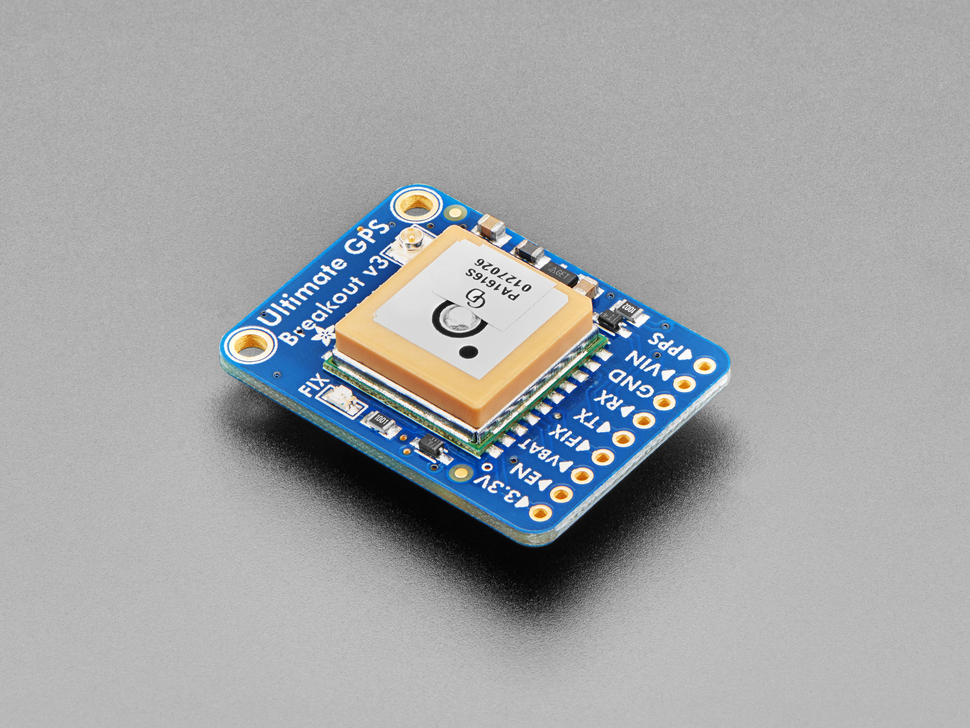
Figure 24.0.3. GPS Module without header pins soldered
The sensor above is the GPS[34]. The large square is the GPS receiver and the breakout board sends serial data via TX/RX pins to any microcontroller listening. So this is different than I2C as has been done in the previous labs with accelerometers (SubsectionΒ 15.1.4), IMUs (ChapterΒ 22), or pressure sensors (ChapterΒ 23) but due to the high level coding it’s still just as simple to parse the data . This can be purchased on Adafruit for $30 at the time of this writing. The interesting thing about this device is that you can actually purchase the GPS separately but this breakout board has simple TX/RX outputs for ease of communication. The goal of this lab is not only to use this specific sensor but to understand GNSS and reinforce UART protocol.